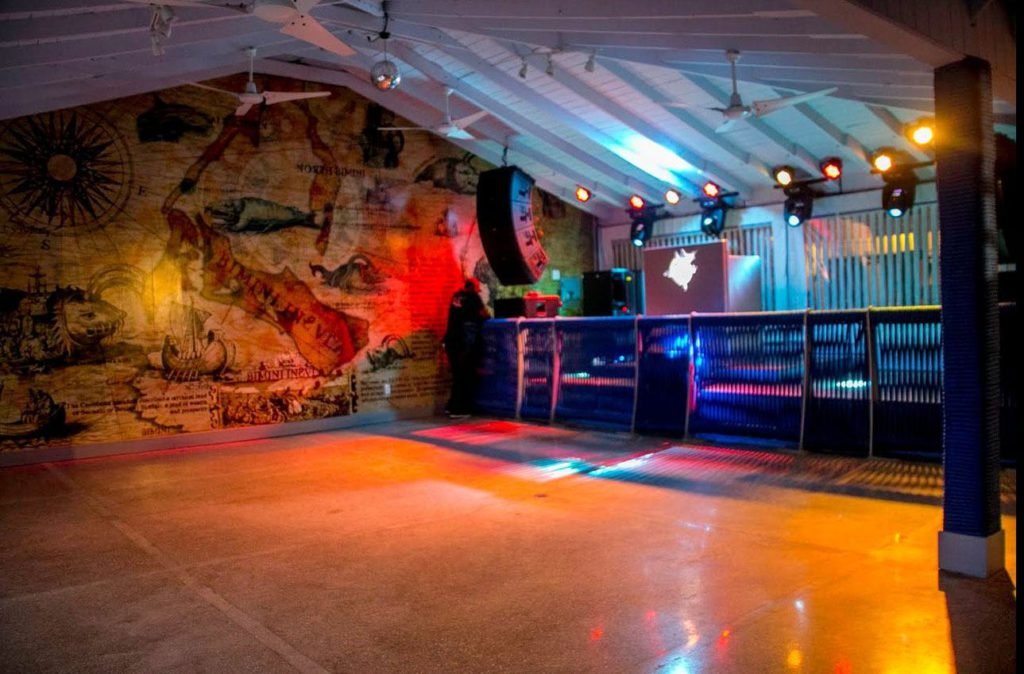
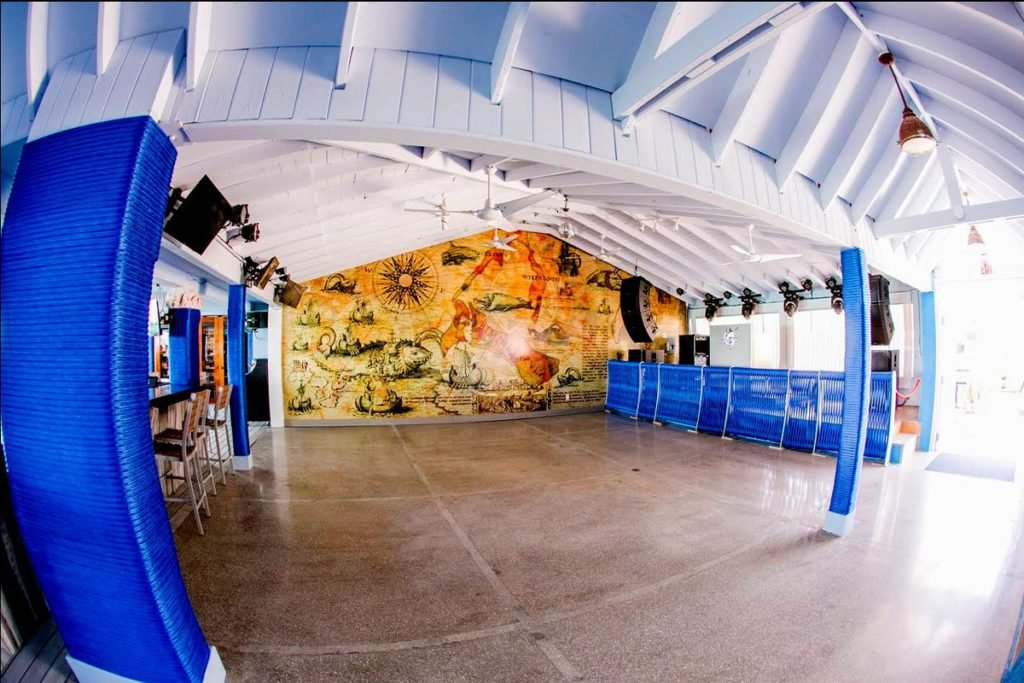
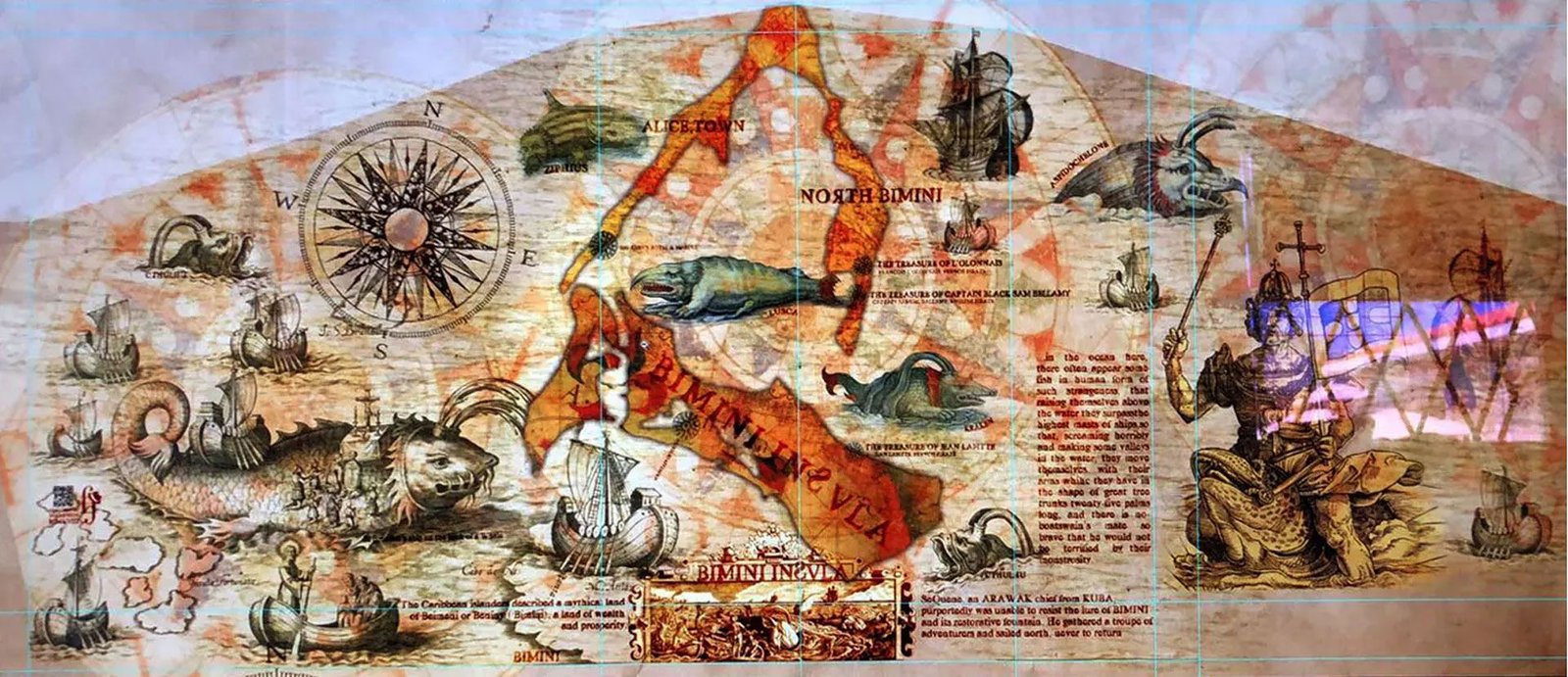
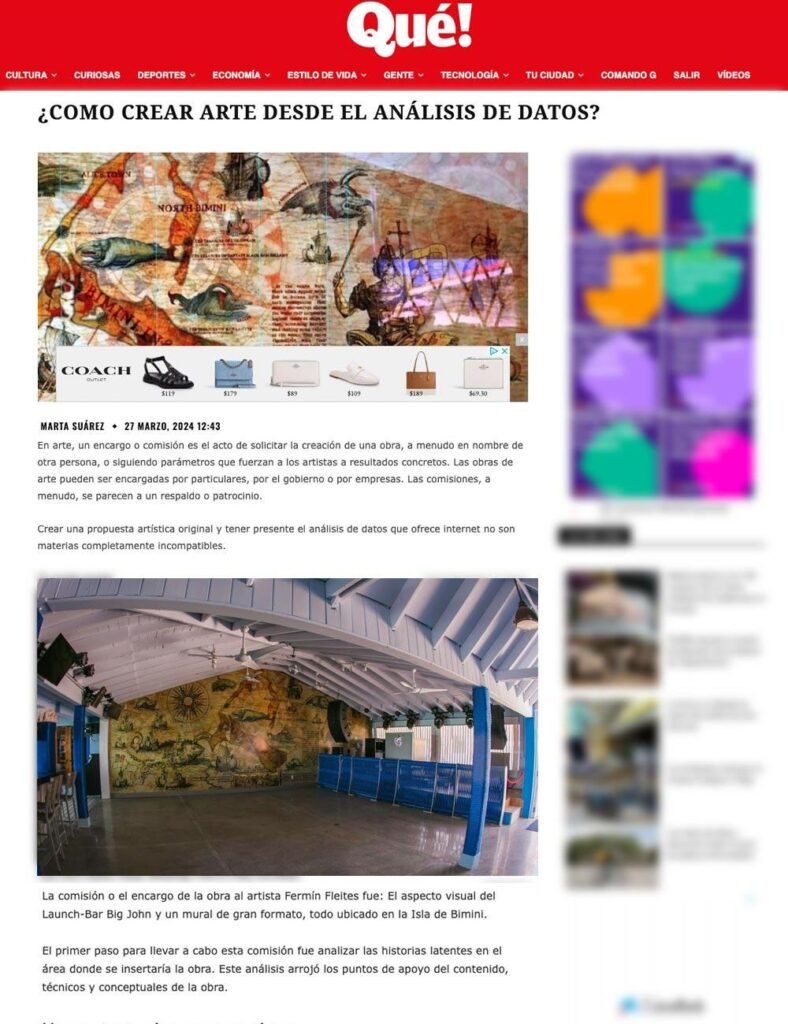
The commission involved creating the visual concept and a mural for Big John’s Bar & Grill, located on the island of Bimini.
Developing an original artistic proposal while considering data gathered from the internet may seem contradictory. In practice, the two approaches are not incompatible.
The first step in carrying out the commission was to analyze the stories embedded in the area where the work would be installed. This analysis revealed the conceptual and technical foundations of the project.
The Context
Bimini is an island in the Bahamian archipelago, known for its shallow waters. Because of these waters, the island was once used by pirates as a place to hide and disappear.
The island’s earliest settlers, the Lucayan Indians, were decimated after coming into contact with the first Spanish explorers. Ponce de León visited the island on his way to Florida in 1513.
At the beginning of the 18th century, Bimini became a refuge for pirates who preyed on the Spanish fleets using the Gulf Stream to return to Spain. The current passes directly in front of the island. It is therefore possible that buried treasure, and even the remains of pirates killed in clashes with the Spanish, may still lie somewhere on Bimini.
The island’s shallow waters and unpredictable weather made this group of islands a graveyard for ships belonging to the Spanish fleet. Treasure seekers made a living salvaging valuables from vessels wrecked on the reefs surrounding Bimini. By around 1834, the island’s five founding families held licenses to salvage shipwrecks.
Many of Bimini’s present-day residents are descendants of enslaved people who were freed after emancipation in the British Bahamas. These communities settled throughout the Caribbean and began making a living by searching for shipwrecks and practicing artisanal fishing. Over time, an entire mythology developed around the sea and its dangers.
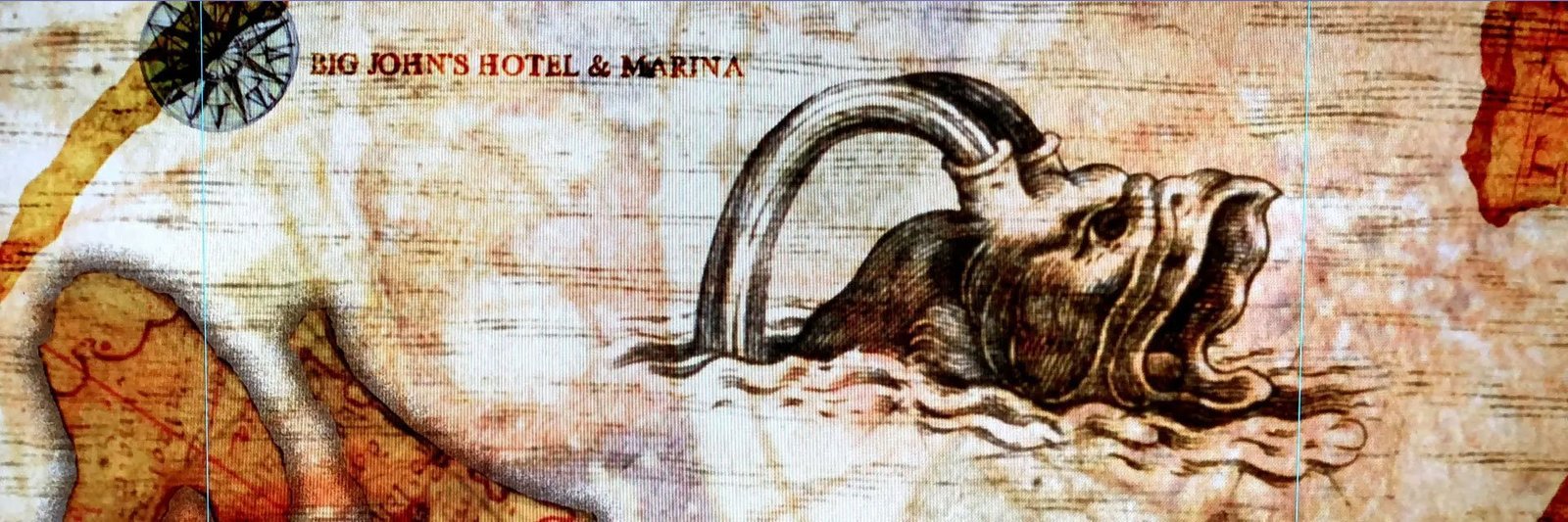
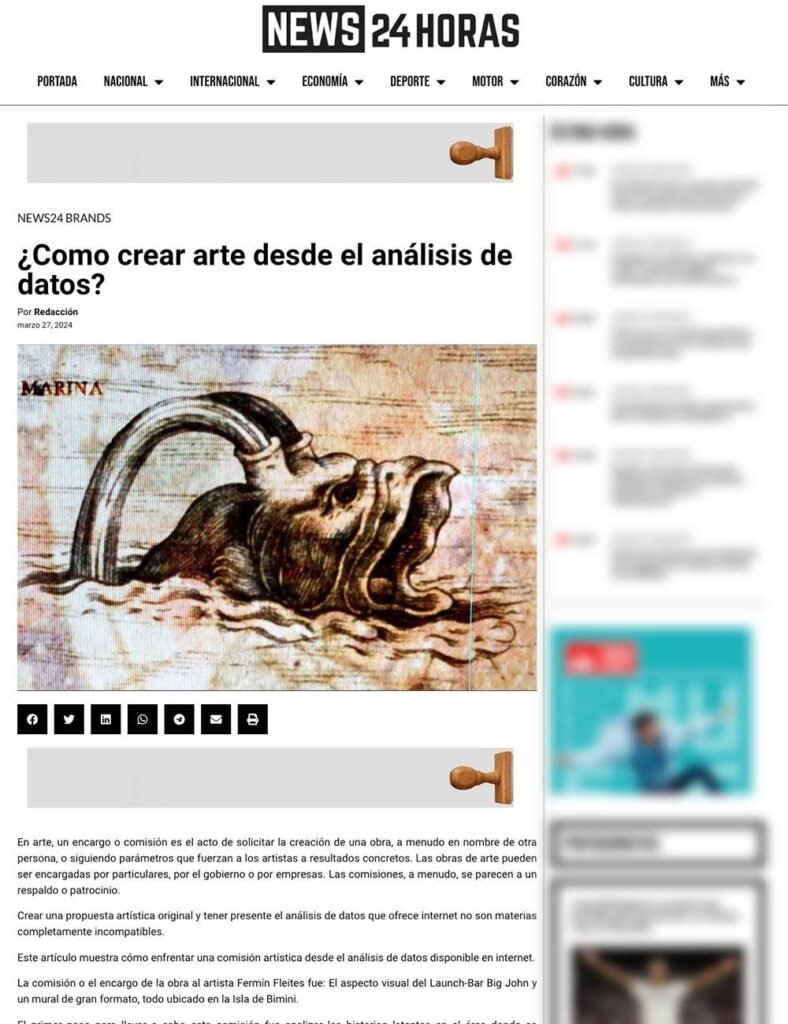
That mythology became one of the conceptual foundations of the mural. Some of the sea monsters depicted in the work came directly from conversations with current residents.
The island has always occupied a space between two points. During the Civil War, it also served as a stopping point for cotton merchants.
To identify the central direction of the proposal, we analyzed data related to the main topics shared on Facebook, using the information available at the time. We then examined Google searches related to the island’s history.
The searches were carried out by people from outside Bimini who were physically present on the island. In other words, they were not local residents, but they were searching for historical topics while visiting Bimini.
The research revealed three main areas of interest:
An interest in local history, particularly piracy.
A desire for discovery, since the possibility of finding something hidden is always compelling.
An interest in experiences that are worth sharing on social media.
The Work
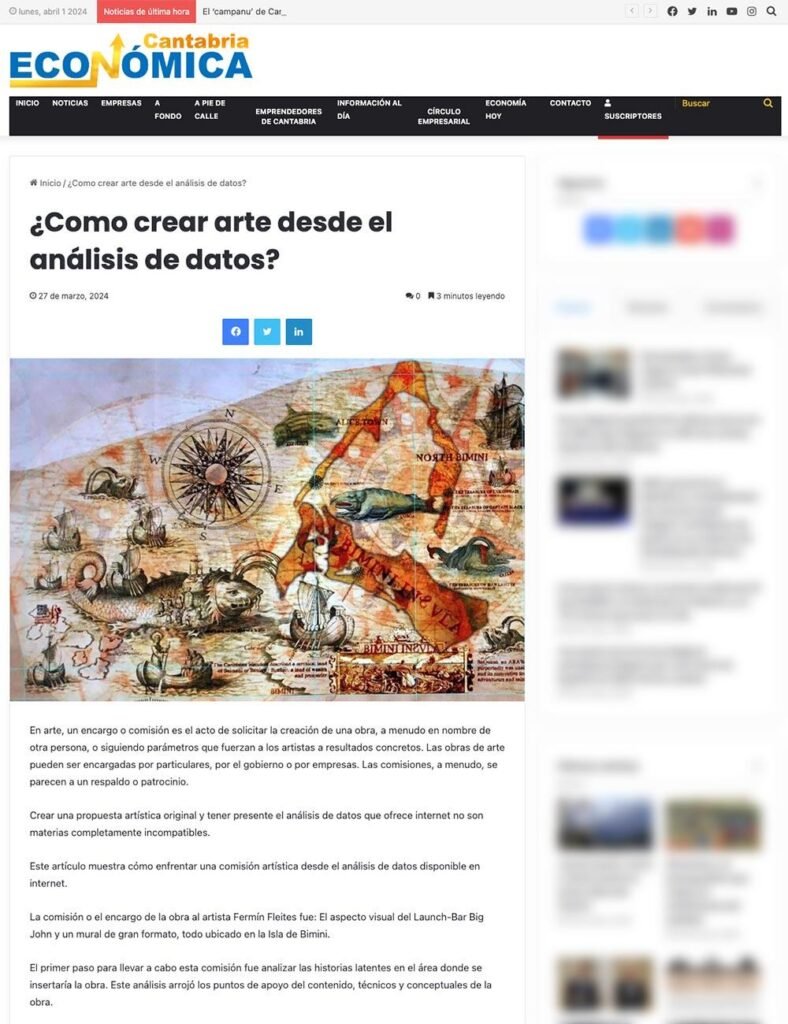
This context became part of the artwork through the construction of a large navigational map. The map marked the locations of hypothetical pirate burials, guarded by a series of infernal creatures drawn from the collective imagination.
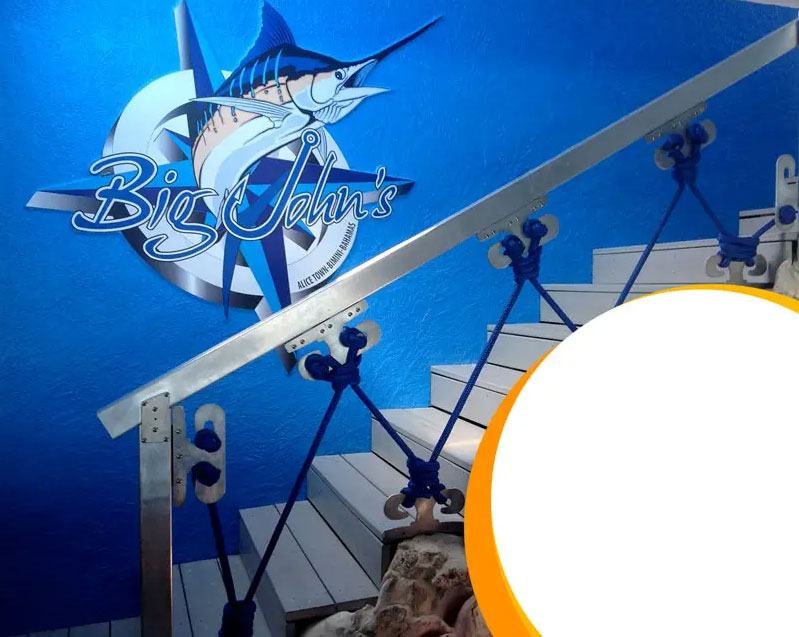
The rest of the environment was treated with more than 40 traditional knots, following the maritime traditions of ancient sailors.
The research and the resulting artwork led to the creation of a large-format mural that functioned both as a work of art and as a document, or navigational chart.
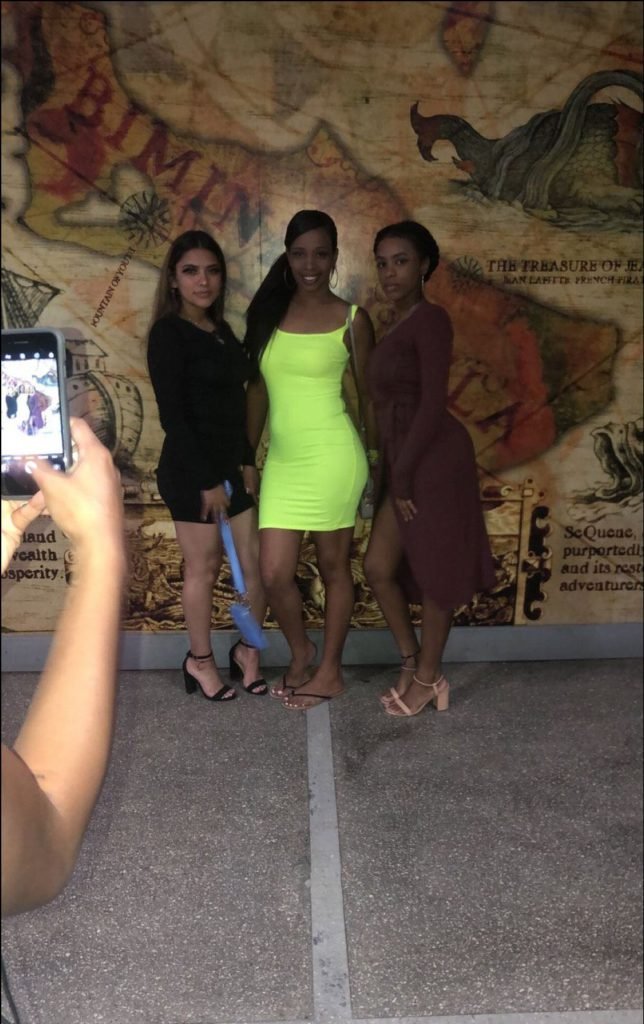
Its location and context also created an extraordinary opportunity for visitors to take and share photographs, including selfies. This combination allowed the artwork to generate expectations around possible pirate burials, based on the data found in the navigational charts, while also extending the work into the viewers’ social networks.
Today, the mural appears in more than 16 million results on Google Images.
Using data as a starting point for a work of art allows the artist to understand, firsthand, the interests of the audience that will encounter it.